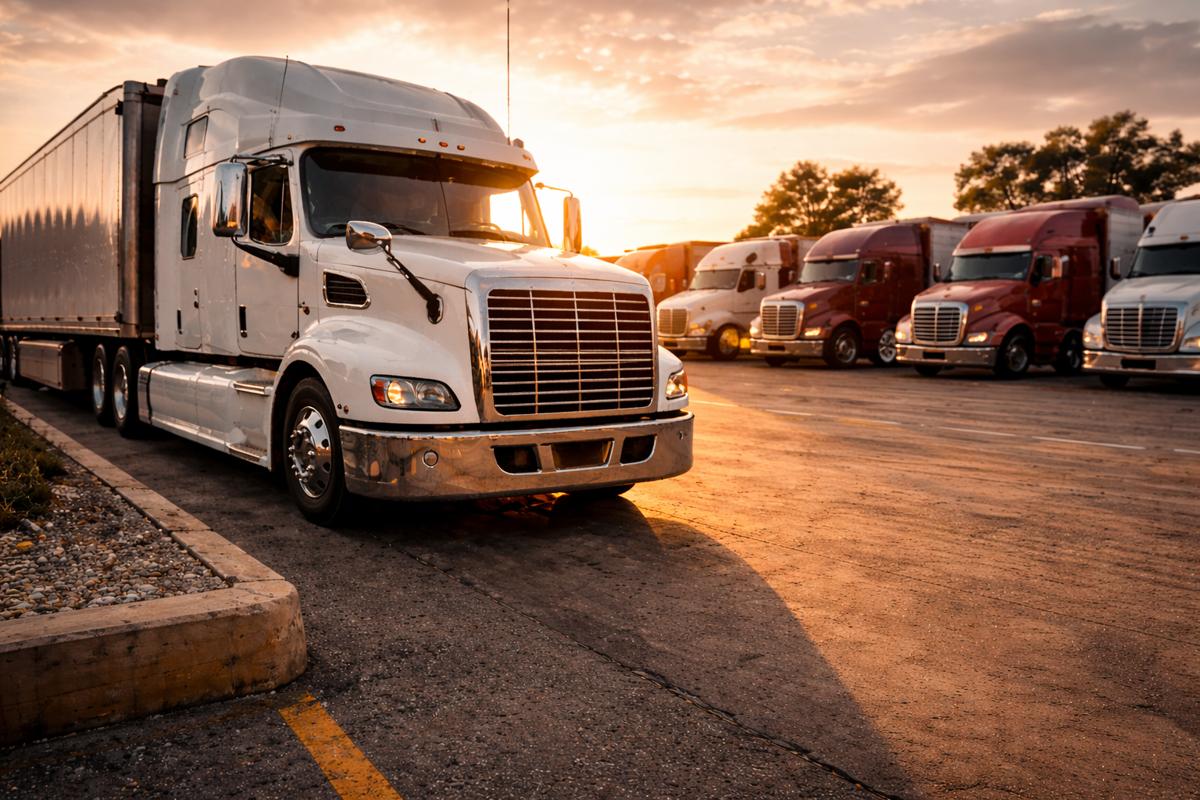
ELD systems
The trucking industry in the United States has changed significantly over the past decade. With stricter safety regulations, increased compliance requirements, and growing competition, drivers and fleet managers need reliable tools that help them stay organized and efficient on the road. One of the most important technologies in modern trucking is the Electronic Logging Device (ELD).
ELD systems were introduced to replace traditional paper logbooks and improve the accuracy of tracking drivers’ Hours of Service (HOS). Instead of manually recording driving time, an ELD automatically captures data from the truck’s engine and records driving activity in real time. This helps ensure compliance with federal regulations while reducing the risk of human error.
For many drivers, managing logbooks used to be one of the most stressful parts of the job. Paper logs could be time-consuming, difficult to maintain, and easy to make mistakes in. With an ELD system, these processes become automated. Drivers no longer need to calculate their hours manually or worry about missing important information in their logs.
The benefits of using an ELD system
Modern ELD solutions provide a wide range of benefits for both drivers and fleet operators.
Automatic Hours of Service tracking ensures that driving time, rest breaks, and duty status changes are recorded accurately. This helps drivers stay within legal limits and avoid costly violations.
Improved safety and compliance are another major advantage. Accurate digital records make it easier to pass roadside inspections and DOT audits. When all required data is available in one system, inspections become faster and less stressful.
Reduced paperwork is also a major improvement. Drivers can spend less time filling out forms and more time focusing on the road and delivering freight.
For fleet managers, ELD systems offer additional advantages such as real-time vehicle tracking, trip monitoring, and access to digital reports. This makes it easier to manage operations, monitor driver activity, and improve overall efficiency.
How Unity ELD simplifies compliance
Unity ELD is designed to make compliance simple for both owner-operators and trucking companies. The system automatically records driving activity and organizes logs in a clear, easy-to-use mobile application.
The device connects directly to the truck and begins collecting data as soon as the vehicle is in motion. Drivers can easily view their duty status, remaining drive time, and previous logs within the app. This eliminates guesswork and helps drivers plan their routes more efficiently.
Another important feature is the ability to quickly present logs during roadside inspections. Instead of searching through paperwork, drivers can show their electronic logs directly from the application, making the inspection process smooth and efficient.
Built for drivers and fleets
Unity ELD is designed with simplicity and reliability in mind. The system is easy to install and requires minimal setup, allowing drivers to start using it quickly.
For fleet managers, Unity ELD provides tools that help improve visibility and control. Access to trip history, driver logs, and vehicle data allows companies to monitor operations and ensure compliance across their fleet.
Whether you are an independent driver or manage multiple trucks, having a dependable ELD system can make daily operations much easier.
The future of trucking technology
Technology continues to play a bigger role in the trucking industry. From digital compliance tools to real-time fleet management systems, these innovations help drivers and companies operate more efficiently and safely.
ELD systems are no longer just a regulatory requirement—they are an essential part of modern trucking operations. By automating logs, improving compliance, and simplifying daily tasks, solutions like Unity ELD help drivers focus on what matters most: staying safe and keeping freight moving.
Unity ELD provides the reliability, simplicity, and functionality that modern drivers and fleets need to succeed in today’s transportation industry.